❋
June 30 | Starting at $200
The Year of The
Parents’ Voices.
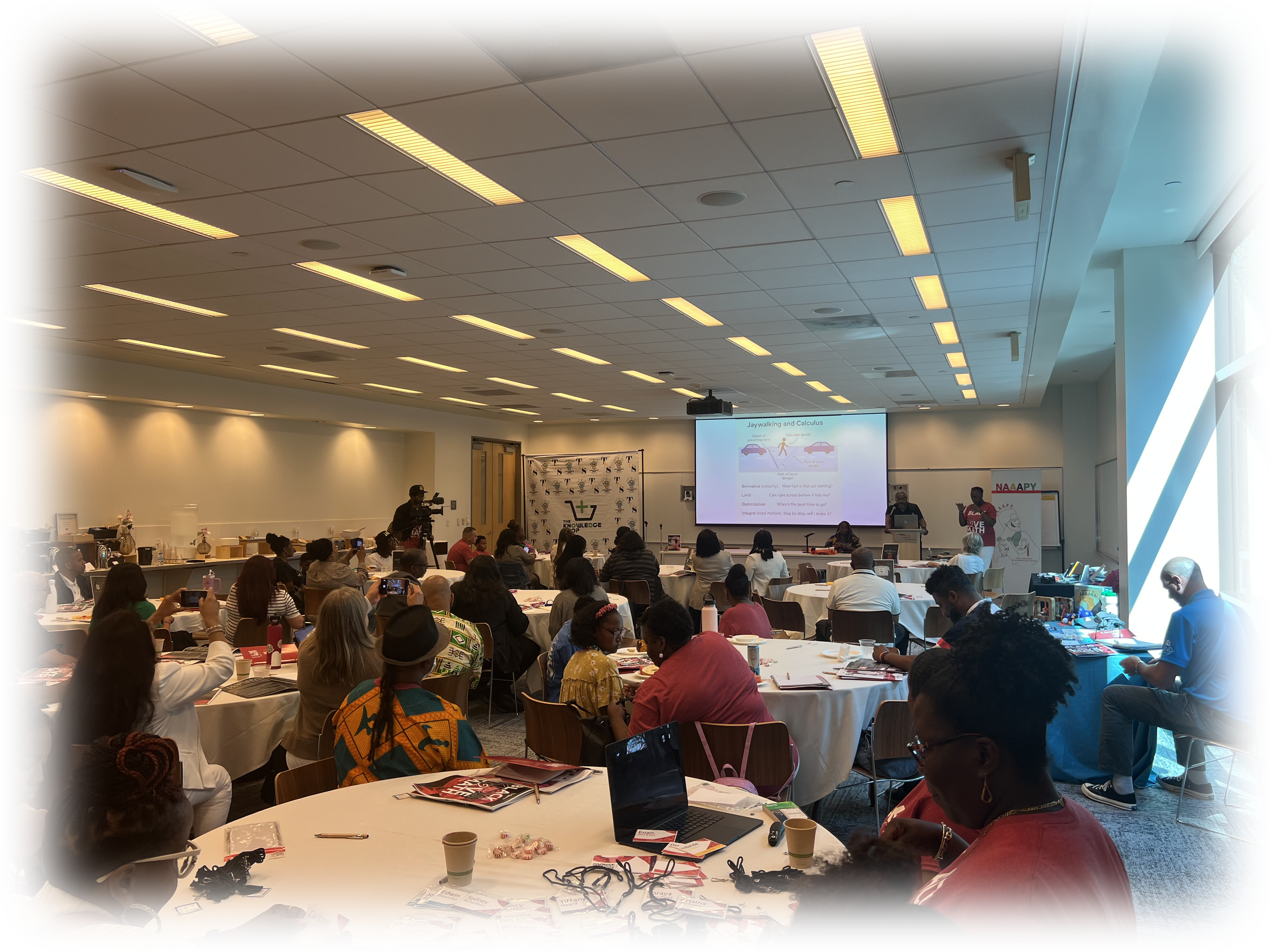
What to Expect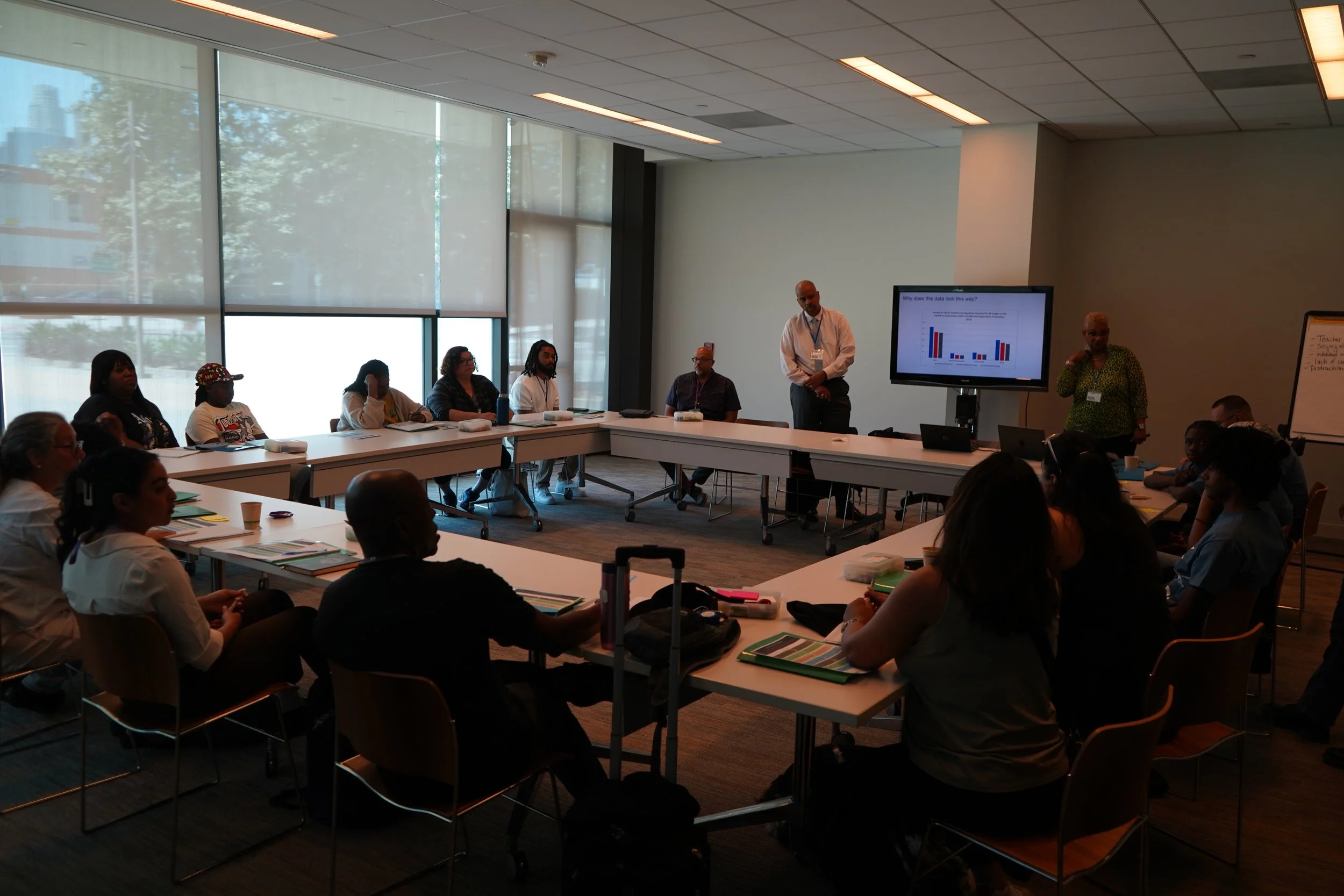
This year’s summit is not about surface-level inspiration... we’ve moved beyond that.
It’s not about identifying problems... we’ve done that.
This is about actionable partnership.
❋ Intentional CollaborationAs schools move into math adoption and the selection of new instructional materials, collaboration with parents is more critical than ever.
❋ Action PlanConnection is a core part of the process. You’ll learn just as much from the group as from the content itself.
❋ Expert FacilitationWe have had the privilege of partnering with prestigious, well-recognized leaders in the education and mathematics space. They are deeply committed to uplifting and supporting Black students year after year.
❋ A Supportive SpaceOur events prioritize comfort, safety, and respect—so you can show up as you are and fully engage in the process.
History of Our Research and EventPost-pandemic realities, health disparities and systemic inequities all shape how Black children show up in the classroom. At the same time, important questions began to surface.
This work sparked national attention, partnerships, and investment. It opened the door to new models of engagement, including Family Math and Black Family University, where learning extends beyond the classroom and into the home.
For decades, conversations about math achievement have centered schools, systems and standards, while overlooking the most powerful influence in a child’s life, their family.
-
First ever event of its kind (FACTS BET ON ME). Over 80% of Black students were not meeting level 1 math standards in Los Angeles, ie. failing. We wanted answers so we invited math professionals, researchers and families to have an open and honest discussion on what was happening.
-
In 2024, we address the statements with expert insights from scholars like Joshua Montefalcon who highlighted how post pandemic health disparities directly impact education and Tiara Wicks who raised critical questions about the effectiveness of millions spent on math education without improved outcomes.
-
In 2025, we listened directly to 500 Black students in our presented seminal research gathered and assessed by Stanford Graduate students and funded by the National Centre for Youth Law. Through a student panel, directors of school districts across the state heard how students feel overlooked and undertaught in California classes, particularly in Los Angeles.
-
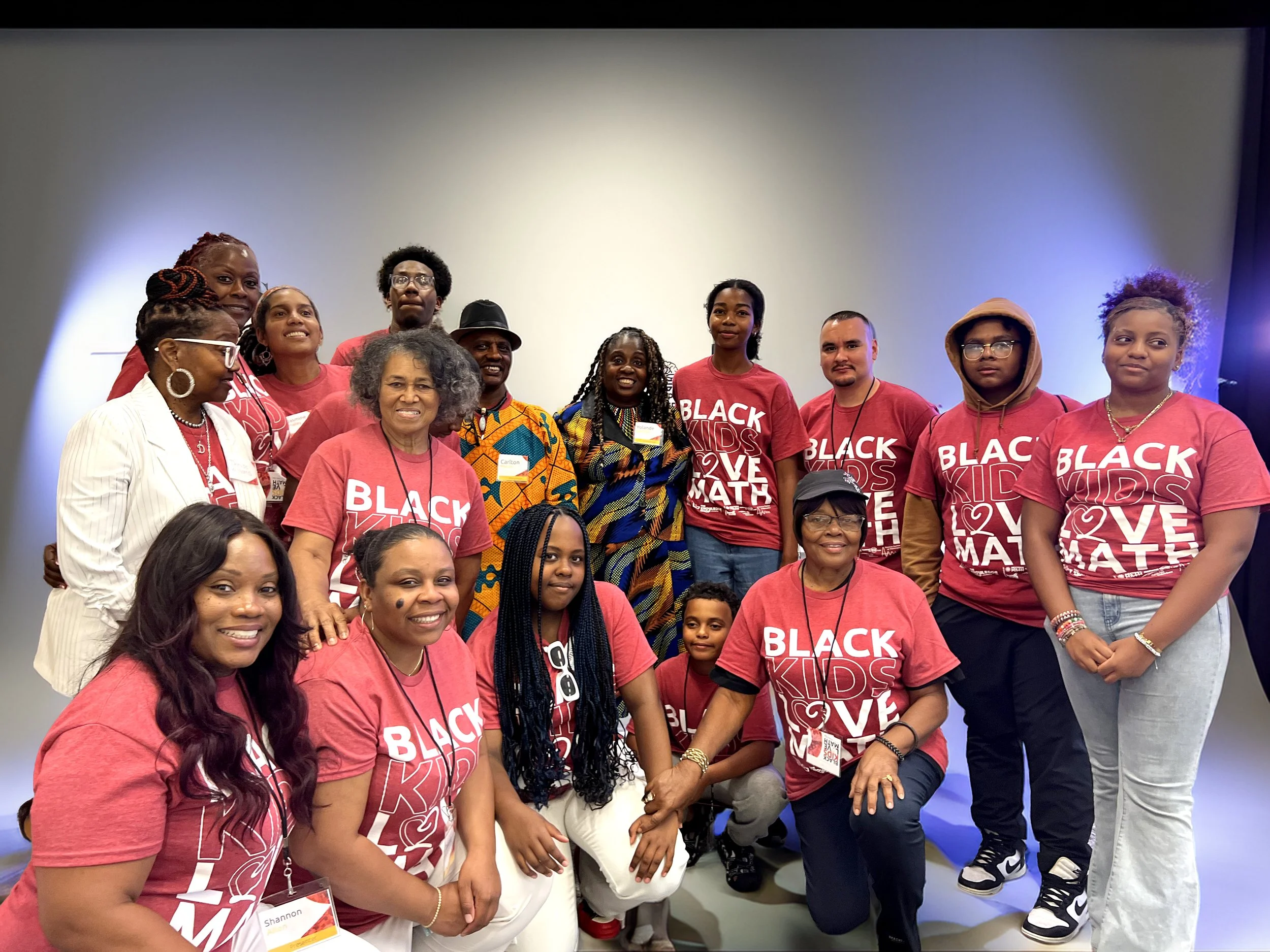
Black Kids Love Math 2026 is centered on parents. We listened to the students. Now we must listen to their parents. How can we support them? What tools should they be using? How do they navigate AI for their child and in life? What does student proficiency mean in terms of California Standards?
The Knowledge Shop has always believed in the importance of partnership when it comes to parents and their child's education. This year will be a chance to showcase that the educational institution that stands wants parents to have a seat at the table and to be heard.
As we move into math adoption and new textbooks are selected for instructional planning, this collaboration is more important than ever. Cultural pedagogy MUST be considered for these students to succeed. When Black students succeed, research has shown all students perform higher. Diversity in the STEM field will be realised with the changes we are defining.